Sun Protection
The Best Tinted Sunscreen, Compared
A calm, evidence-aware look at tinted sunscreen: how iron oxides help, what the tint can and cannot do, and how to compare formulas for your skin tone.
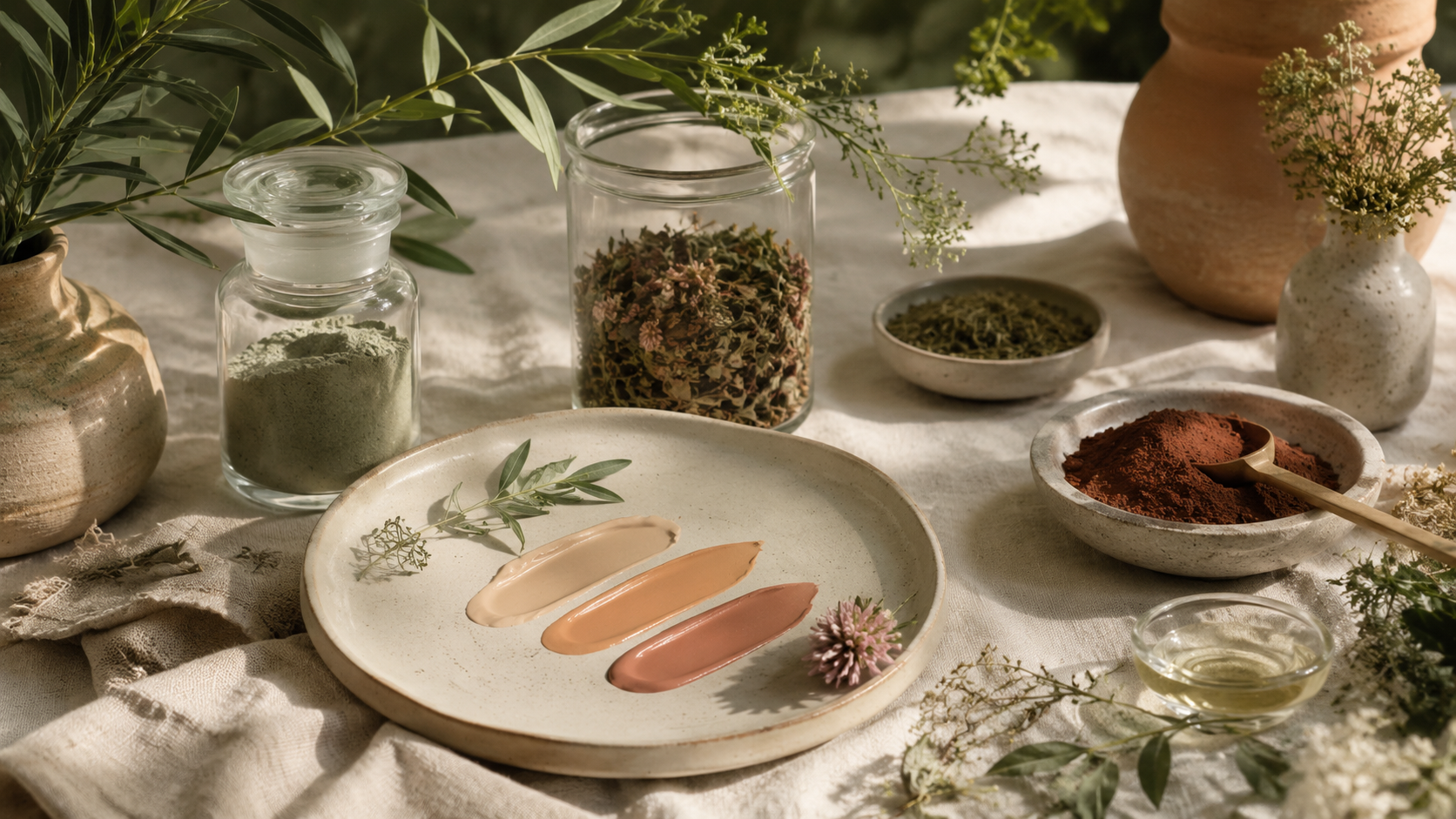
A tinted sunscreen adds iron oxides and a touch of pigment to a sun protection base, which evens skin tone, reduces the white cast of mineral filters, and may help screen some visible light. The best one for you is broad spectrum, SPF 30 or higher, matched reasonably to your skin tone, and comfortable enough to wear daily.
What does the tint actually do?
The pigment in a tinted sunscreen is not just cosmetic, though it is partly that. The colored particles, usually iron oxides, do two useful things. They blend the product into your skin so a mineral formula does not leave a chalky cast. And they add a light, even coverage that can soften the look of redness or uneven tone, a little like a sheer base.
There is a second, more interesting point. Iron oxides can help screen some visible light, including the high-energy visible range sometimes called blue light. For many people this is a minor footnote. For those prone to pigment changes that visible light can influence, it is a reason some dermatologists suggest a tinted option. The American Academy of Dermatology notes that tinted sunscreens contain iron oxides and can be a good choice for people concerned about visible-light exposure.
So the tint is both practical and slightly protective. It is not a substitute for the SPF and broad-spectrum coverage, which still do the main work against ultraviolet light.
How do tinted sunscreens compare?
Tinted formulas sort into a few patterns, and the right one depends on your skin and how much coverage you want.
- Tinted mineral. Iron oxides over a zinc oxide or titanium dioxide base. The classic reason to choose tinted, since it cancels the mineral cast. Good when: you like mineral filters but not the gray film.
- Tinted hybrid or chemical. A tint over a lighter chemical or mixed base. Often very wearable and clear. Good when: you want a barely-there feel with a hint of evening.
- Sheer versus full coverage. Some tints are a whisper; others approach a light foundation. Good when: you want skin care and a no-makeup look in one step, pick the heavier coverage; for a natural finish, pick the sheer one.
- Single shade versus shade range. Many tinted sunscreens come in one universal shade, which suits a limited band of skin tones. Good when: your tone is well outside the middle, look for a brand offering more than one option.
The honest caution is about shade. A single universal tint that looks lovely on one person can look ashy or orange on another, especially on deeper or very fair skin. The best tinted sunscreen is the one that disappears reasonably into your tone and that you will reapply, not the one with the prettiest bottle.
[!info] Gentle Notes A tint is a finish and a small bonus, not the main protection. The SPF and broad-spectrum label do the heavy lifting against ultraviolet light. Choose the shade that suits you, but judge the sunscreen by whether you wear and reapply enough of it.
Is a tinted sunscreen right for your skin?
It often is, with a couple of caveats. If you like the idea of one calm step that protects and evens your skin, a tinted formula is a graceful choice. People who find pure mineral sunscreens too gray frequently prefer them, and those concerned about visible-light-related pigment changes have a gentle reason to consider one.
The caveats are shade match and reapplication. A tint can be awkward to refresh midday over makeup, so plan for a powder or a stick if you are outdoors for hours. And if your skin reacts to pigments or fragrance, read the label and patch test on your jawline for a few evenings first.
For the wider decision across SPF, filter type, and texture, our guide to the best sunscreen for your face walks through it calmly. If you would like to fold a tinted step into a gentle daily rhythm, our notes on natural facial care at home show where it sits.
How do you apply a tinted sunscreen well?
A tint still needs the full protective layer underneath the pretty finish.
- Use enough, about a quarter to a half teaspoon for the face and neck, so the SPF holds true.
- Blend evenly along the jaw and into the hairline so the color does not stop abruptly.
- Cover the missed spots: ears, the back of the neck, and the lips with an SPF balm.
- Reapply every two hours outdoors, using a tinted powder or stick if you are wearing makeup.
- Add shade and a hat, which protect in ways no tint can.
How do you find a tint that suits your skin tone?
Shade matching is the part people get wrong most often, and it is gentler than it sounds once you know what to look for. Many tinted sunscreens come in a single “universal” shade built around iron oxides, which tends to flatter a band of medium tones and can look ashy on deeper skin or slightly orange on very fair skin. If your tone sits at either end, seek out a brand that offers more than one shade rather than forcing the universal one.
Test the way you would a foundation, not a serum. Swatch a little along your jawline in natural light, where the color meets your neck, and give it a few minutes to settle, since some tints deepen slightly as they oxidize. A good match nearly disappears at the jaw with no harsh line. If you have to blend furiously to hide an edge, the shade is not right, however lovely the bottle.
Keep your expectations sheer. A tinted sunscreen is closer to a light evening of tone than full coverage, and that is its charm: one calm step rather than a makeup routine. If you want more coverage, layer a foundation over it rather than asking the tint to do a job it was not built for. The sunscreen’s first duty is protection; the tint is a quiet bonus on top.
What a tinted sunscreen cannot promise
A tint does not replace SPF, does not block all ultraviolet light, and is not a treatment for pigmentation or any skin condition. It is a finish and a modest visible-light bonus layered onto real sun protection. For concerns about changing pigmentation, a mole, or a condition affecting your skin, a dermatologist is the right place to ask, not a label.
A grounded takeaway
A tinted sunscreen evens skin tone, hides the mineral cast, and may screen a little visible light, all while the SPF does the main work. The best one matches your skin tone reasonably, feels comfortable, and gets reapplied. Choose the shade that suits you, layer it generously, and let the daily habit carry the rest. Gentle is still a choice.
Related reading
Sources
- “Sunscreen FAQs”, American Academy of Dermatology, Dermatology guidance on tinted sunscreens, iron oxides, and visible-light considerations.